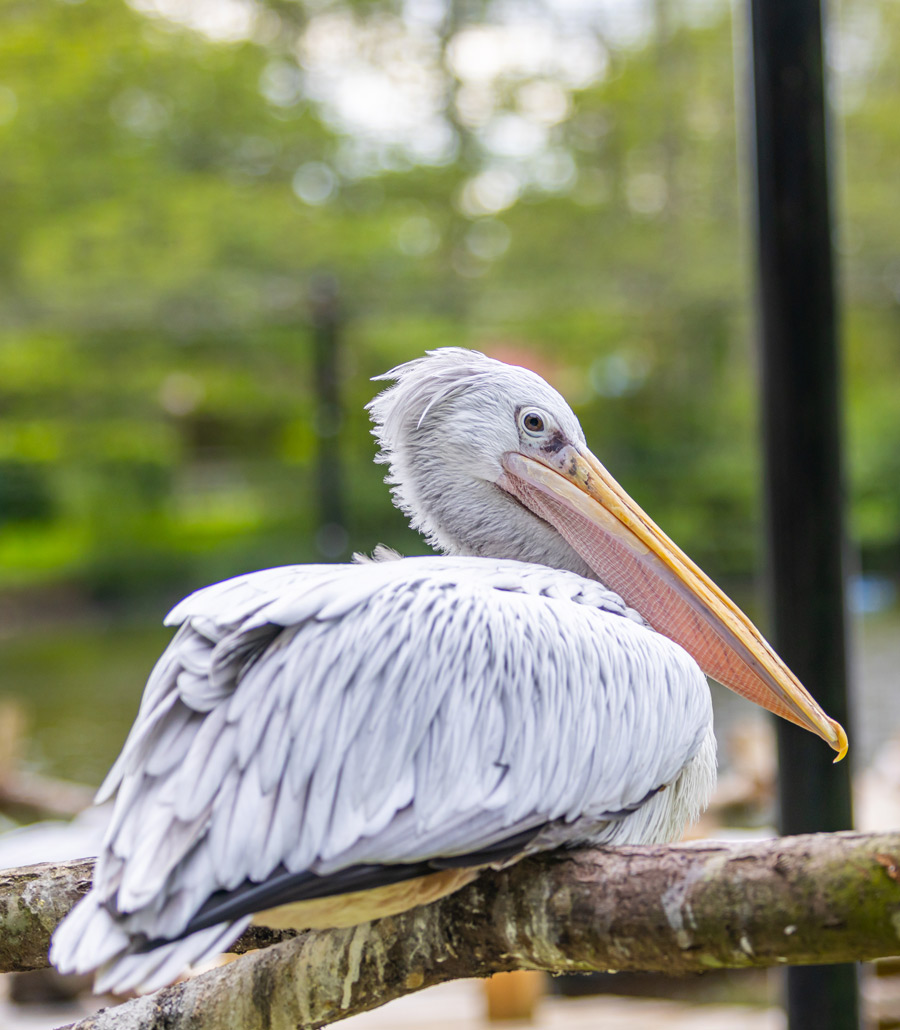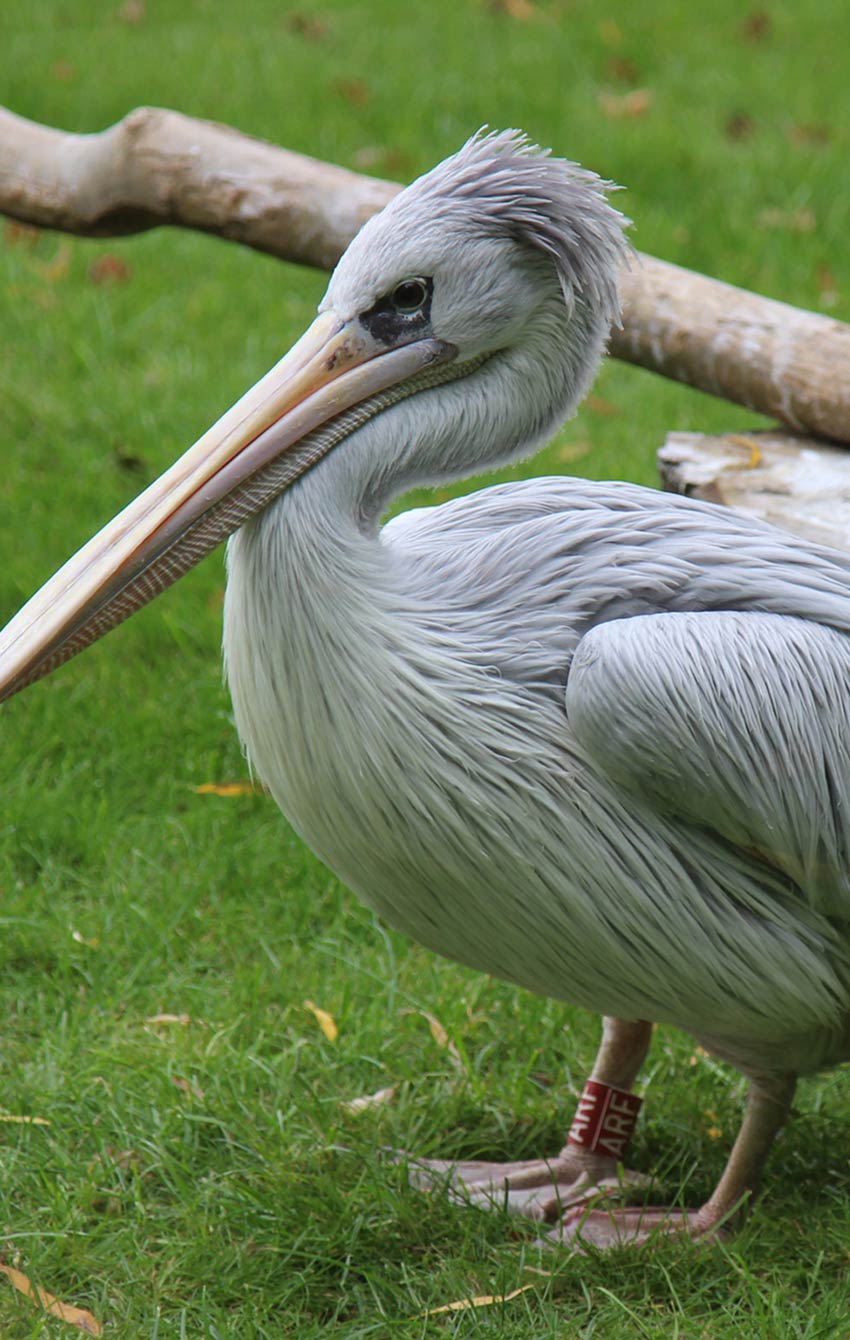
Pink-backed Pelicans
Scientific Name: Pelecanus rufescens
Fast Facts
- Natural Habitat: Wetlands such as lakes, swamps, rivers and coastal lagoons.
- Distribution: Egypt, South Africa, Angola, Benin, Botswana, Cameroon, Central African Republic, Chad, DR Congo, Djibouti, Eritrea, Ethiopia, Gabon, Gambia, Ghana, Guinea, Guinea-Bissau, Kenya, Liberia, Malawi, Mali, Mauritania, Mozambique, Namibia, Niger, Nigeria, Rwanda, Senegal, Sierra Leone, Somalia, South Sudan, Sudan, Tanzania, Uganda, Zambia, Zimbabwe, Yemen and Saudi Arabia.
- Lifespan: Approximately 25 years
- Diet: Fish (mostly cichlids like Tilapia) and Amphibians
- Weight: 4–7 kg
Behaviour
Pink-backed pelicans are often found in groups where they engage in cooperative hunting and nest in colonies. When cooperative hunting they form a semi-circle on the water's surface and begin to beat their wings to drive fish towards the shallower water where they can scoop them up in their beaks. This increases their fishing success and protects them from predation.
Reproduction
Males will put on elaborate displays by puffing out their throat pouches, tossing their heads and displaying their wings to attract females. Once a bond has been established, the pair will preen each other and touch bills. They will nest in colonies with several nests in the same trees, low bushes, platforms or marshy islands. The female will lay 2–3 eggs and both parents contribute to incubation and chick rearing. Incubation lasts around 28–32 days.
Conservation Status
Least Concern (LC)
Threats
The main threats facing pink-backed pelicans include habitat loss due to the drainage of wetlands, deforestation and human encroachment. They also face threats due to pollution (mainly plastics), that they can mistake for food that they can ingest and cause harm or death.
Conservation
Despite these threats the species is listed as Least Concern due to its widespread distribution and stable population. However, research and ongoing monitoring are vital to make sure that they remain Least Concern. Most conservation efforts for this species involve habitat protection and the reduction of human influence in nesting areas. Reducing pollution in and around water bodies is also important for protecting this species.
Did You Know?
- It can hold 8 litres of water in its pouch.
- The pink-backed pelican cannot sweat so it opens its beak and flaps its large neck pouch.
- While they are the smallest of the pelican species, they still have wingspans of 7.1–9.5 ft.
- They get their name from the pink colouration on their back and wings which gets more prominent during the breeding season.